When Change Chooses You, and When You Choose Change
I have been fascinated by change since I was 16, when my life as I knew it was upended because I became a pregnant teenager.
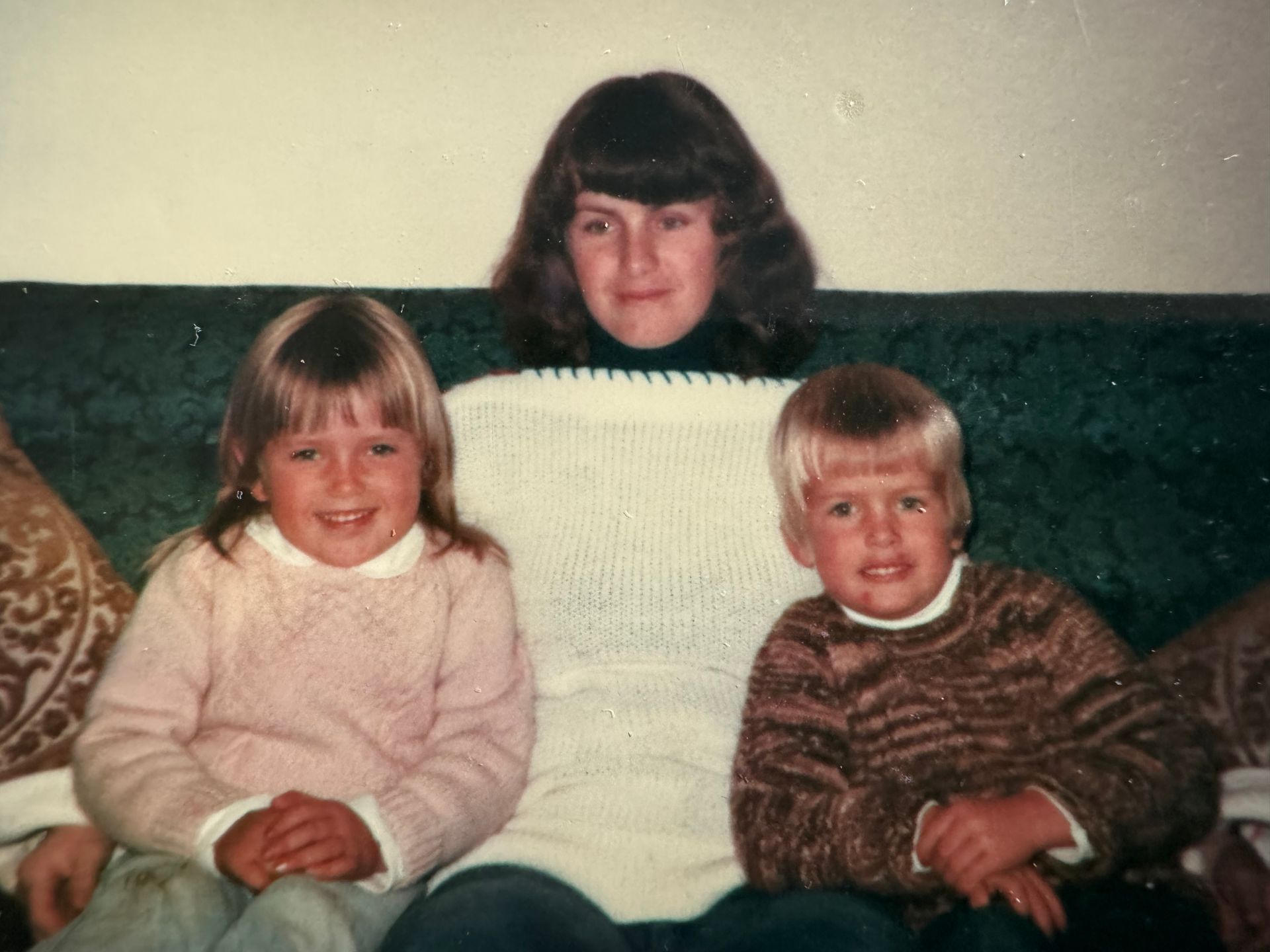
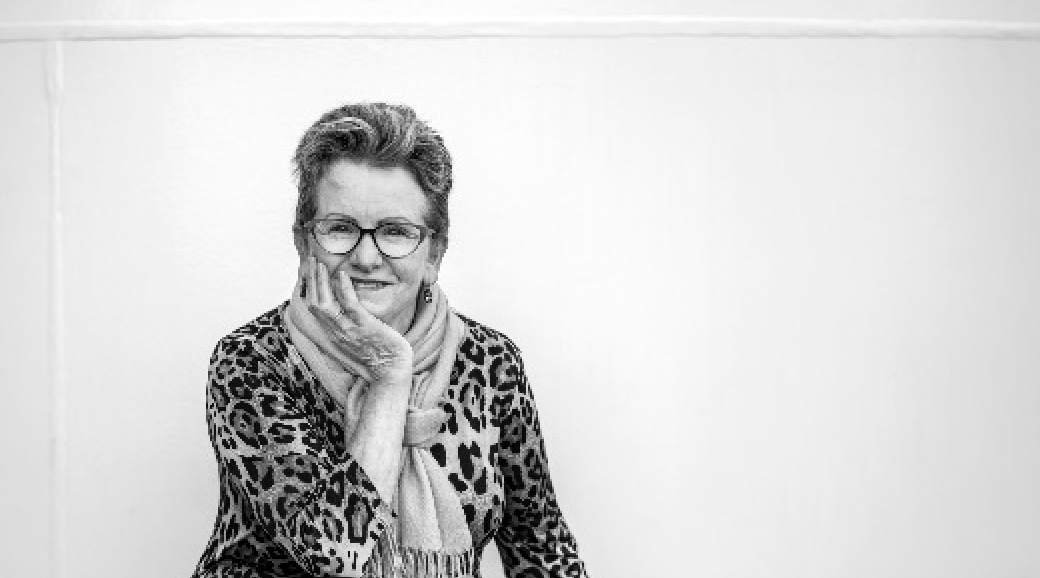
Image: Me as a young Mum learning to adapt
Until the age of 16, I was cared for by loving parents, had five siblings, and experienced all the fun and chaos that came with a dynamic family environment.
As a ‘good’ Catholic girl, I was forced by my parents to marry my boyfriend, and I imagined we would live happily ever after, just as my parents had for over 25 years.
Fast-forward 7 years. I had experienced domestic violence, was divorced with 2 children, and was working full-time to support my family. By then, I knew my life would never mirror what my parents had.
Even my work, which I valued, was constantly changing. I started at the Myer Department Store in Dubbo, NSW, as a sewing machine demonstrator. I knew how to sew because my Mum had taught me at a very young age.
Within 6 months, I was managing a section of the electrical department, even though I had no experience. Life taught me as I went along. The roles kept changing, and I changed with them.
It wasn’t a conscious type of change; it was more about survival.
What Change Taught Me
Those early years taught me two important lessons: change is hard, but so is staying the same; and change is a constant in life.
When I left Myer after 40 years, I had achieved a level of leadership success I had not even aspired to when I started.
Change has been my constant companion for more than 50 years, and I know it will continue to be. This is why it fascinates me, particularly the different ways people respond to and resist it.
In my lived experience, I have come to understand change in two ways: proactive and reactive change.
Reactive change begins when circumstances force us to respond.
Proactive change begins when we decide the current situation is no longer acceptable.
Leaders experience reactive change when a key employee leaves, results decline, the market shifts, or a problem becomes impossible to ignore.
Proactive leaders do not wait for the pain to become intolerable. They examine their behaviour, question what is no longer working, and make changes before circumstances make the decision for them.
I experienced reactive change for many decades as I navigated life as a single mum, entered a second marriage, eventually divorced again, worked, and raised my children.
I have since embraced proactive change, where I get to decide what I will change, why I want to change, and how I will create that change.
I believe proactive change is shaped by our purpose in life, the goals we set, and our behaviour as we move towards them. The way we respond to, engage with, or manage situations is largely driven by our behavioural tendencies.
Only we can change our behaviour; no one else can do it for us.
A Model for Change
One model of change is the Transtheoretical Model (TTM), developed by James Prochaska and Carlo DiClemente.
The model explains behaviour change as a dynamic, non-linear movement through five core stages: precontemplation, contemplation, preparation, action and maintenance. Setbacks and relapse can occur throughout the process and are recognised as a normal part of the cycle.
When I first encountered the model, it helped me understand that recognising the need for change is not the same as being ready to act. It also showed me that setbacks do not necessarily mean failure.
Life kept throwing curveballs at me. The most painful came nine years ago, when my brother died by suicide. I knew then that I had to take a more proactive approach to the changes I wanted in my life. I wanted to live a better life in his honour.
That required change, and I knew I was the only one who could make it happen.
Read more here, starting with The Stages of Intentional Change
Search Blog
Recent Posts