Pressure Reveals How You Lead Yourself
Pressure reveals the emotional habits beneath your awareness. Their impact ripples through your leadership.

Emotional Intelligence is a topic many people talk about, particularly in leadership, but do most of us understand what it is and how we can keep developing it?
I used to think that emotional intelligence was about being smart.
Now I know it is so much more than that.
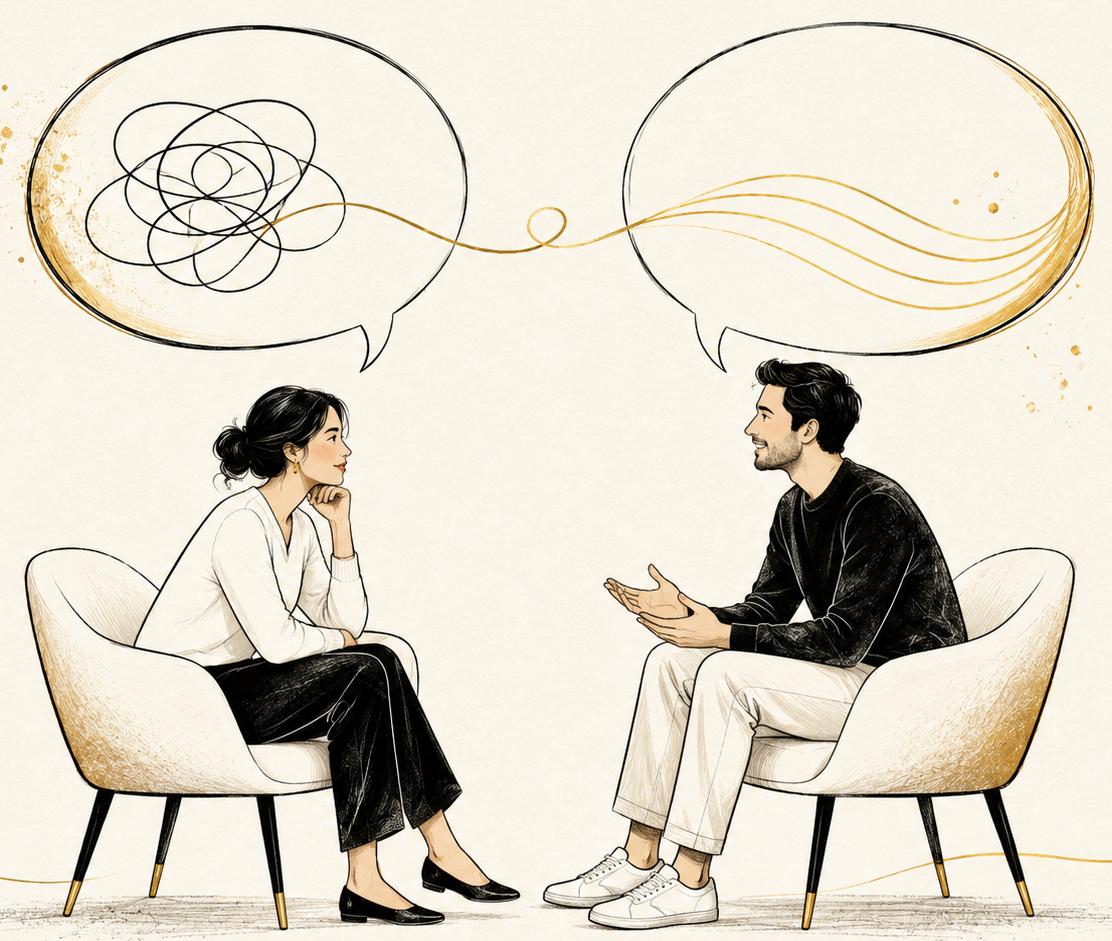
Emotional intelligence is about recognising what you are feeling, understanding how it may influence you, and choosing how to respond.
A Personal Example
There was a time when I felt I was at the peak of my career. I had been running the national store operations at Myer and was seeking a new opportunity, which came my way in the form of a Regional Manager role.
Twelve months later, I was asked to take a different role because I was considered the only person in the company who could do it.
The role was one that, at the time, I considered a lose-lose because it was to reduce shrinkage, a retail term for loss.
The company had always had a problem, and I was good at managing it, as it was part of my responsibilities in the operations role.
However, resolving this problem once and for all was a different ball game. The company had a long history of failing at this.
I responded “thanks, but no thanks”, only to be told I had no choice. I looked at my boss, started crying, told him I hated him, and stormed out of the office.
Luckily, I had a good relationship with him, and he just let me go. If I had known back then what I know now about emotional intelligence, I would like to think I would have handled myself more professionally.
- Pressure reveals whether we react from habit or respond with intention.
Instead of reacting immediately, I could have paused, become curious about what was expected, and negotiated a more favourable outcome for myself if I achieved the goal.
As it was, I simply went back the next day and checked with him again, and he confirmed that I had no choice.
The fact is, I did have a choice, but not one I was willing or ready to choose. I could have simply left and got another job, but that is not where I was back then.
So, I told him I would get started. That role turned out to be a career-defining period. After three years of creating, leading, managing, operating, influencing, and inspiring, we had reduced the company’s shrinkage by $35m.
Even when we do not respond with emotional intelligence in the moment, there is learning available to us. The key is to take the learning.
That experience influenced how I responded in the future. I became more intentional about pausing, considering the facts, exploring options, having mature conversations, listening to understand, and then seeking to be understood.
Humans have the amazing ability to choose how we respond. Together, our emotions and our capacity for rational thought influence how we respond.
What Emotional Intelligence Is
The term emotional intelligence was first used in a research paper by two psychology professors, John D. Mayer of the University of New Hampshire and Peter Salovey of Yale.
Almost ten years later, psychologist Daniel Goleman highlighted the importance of emotional intelligence to business leadership in his HBR article ‘What Makes a Leader’, where he states unequivocally that “The most effective leaders are all alike in one crucial way: they all have a high degree of what has come to be known as emotional intelligence…”
We see the world through our minds, not only through our eyes. The meaning we give to situations influences how we respond.
If developing leadership skills is essential to you, then how you choose to show up in business and life mindfully will influence how you can build or strengthen your emotional intelligence over time.
Emotional intelligence gives you the awareness to pause and the ability to choose how you lead.
Creating the discipline to do this means repeatedly choosing between what you want now and what you want most.
Read more here, starting with The Domains of Emotional Intelligence
Search Blog
Recent Posts